

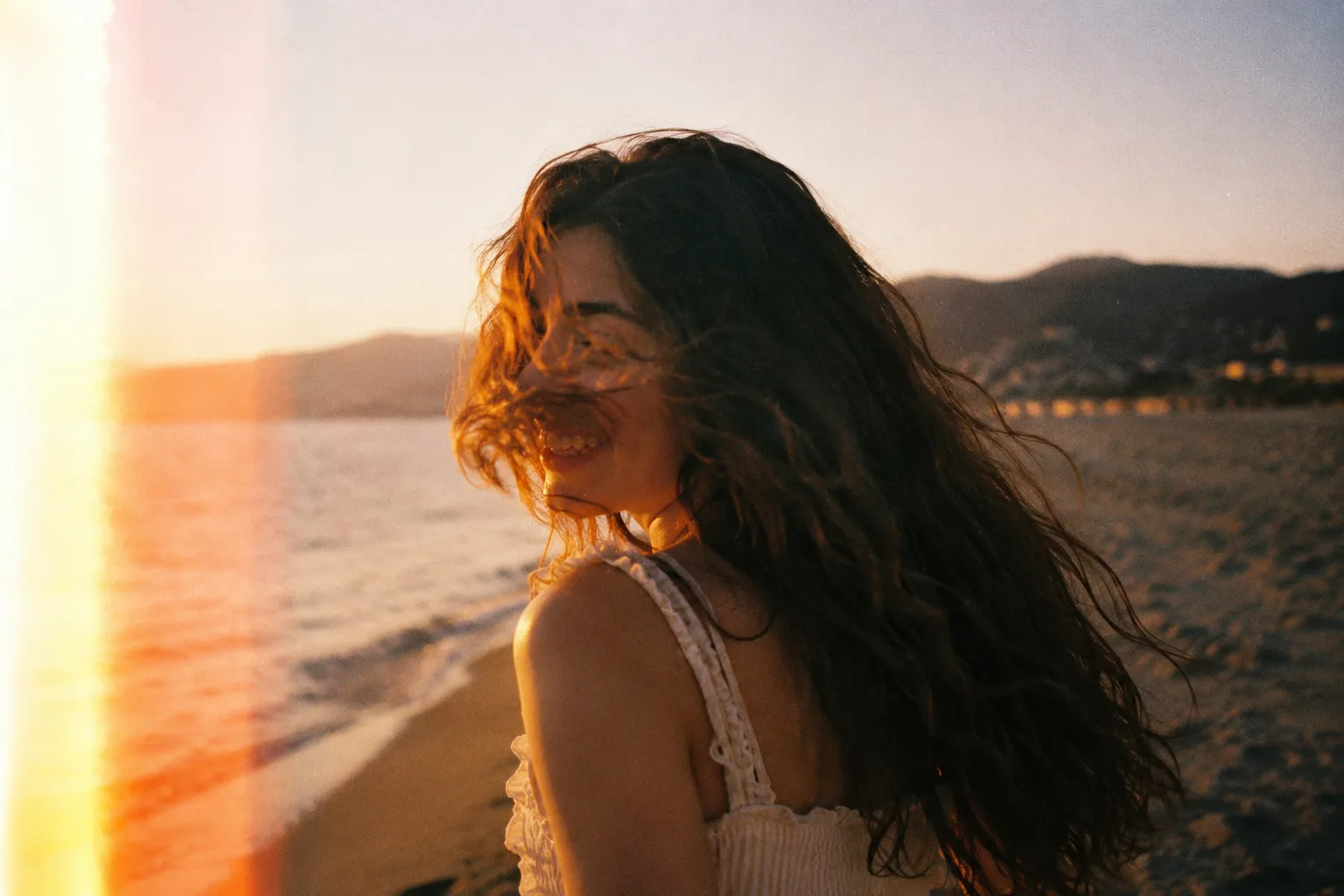
🎞 When Photos Don’t Feel Like “Real Moments Captured in Time”
Have you tried the Disposable Camera Presets at any point? A lot of the time, the problem with editing isn’t that we don’t know how to adjust lighting and colors or work with Lightroom and Photoshop tools. The problem starts when the final result, despite being technically correct, still looks too clean, controlled, and digital. The photo is bright, the contrast is fine, and the colors are properly adjusted, but something is missing—that feeling of a “real moment captured without overthinking” just isn’t there.
Many disposable cameras and low-cost film produce photos that are not under complete control of exposure and color. They may have blown-out highlights, color inaccuracies, and even light leaks in the film. However, it’s these imperfections in authentic, raw photos that people often associate with a real moment captured without too much concern for how it will look.
In reality, what many people are looking for today isn’t a more flawless image, but an image with emotion—one that feels as if it came straight from a real-life experience rather than being crafted after hours behind an editing desk.

📸 Where Does This Style of Photography Come From?
Here, we’re talking about a specific photographic aesthetic that originated with simple disposable cameras—cameras that lacked professional controls but delivered images full of character. Colors weren’t always accurate or controlled, highlights would sometimes blow out or become overly soft, and unexpected light artifacts or color shifts would occasionally appear in the frame.
This kind of “uncontrolled imperfection” made photographs feel more alive. Today, many photographers and editors actively seek this same feeling, especially in portrait photography, street photography, and even social media content that aims to move away from an overly polished digital look.
🧰 How Can This Look Be Created Without These Tools?
If you want to recreate this aesthetic without presets or ready-made tools, you usually have to build everything manually from scratch in Lightroom or Photoshop. Typically, you begin by correcting exposure and color, then gradually guide the image toward a film-inspired look. This process generally involves multiple stages, each requiring precision and experience.
In general, the workflow looks something like this:
- Adjusting exposure and lighting to establish a solid foundation for the image
- Shifting colors toward film-inspired tones (warmer or cooler, depending on the desired style)
- Adding grain to simulate film texture
- Creating effects such as light leaks or glow manually or through layered adjustments
- Using masks to separate the subject from the background for more precise color control
Together, these steps gradually move the image away from a raw digital appearance and closer to a filmic aesthetic. However, the key point is that all of this is entirely manual and highly dependent on the editor’s experience.
⚠️ Why Doesn’t This Method Always Produce Consistent Results?
The main issue with this approach is that it relies heavily on individual experience and moment-to-moment creative decisions. There is no fixed formula or predictable outcome. A set of adjustments might work beautifully on one photo, produce poor results on the next, or even ruin the image altogether.
On top of that, because every element is created separately and manually, maintaining consistency across all components can be challenging. For example, the colors may look great while the lighting feels artificial, or the grain may work well while skin tones appear unnatural. As a result, the entire process can become both time-consuming and highly iterative.
🚀 What Exactly Do Disposable Camera Presets Do?
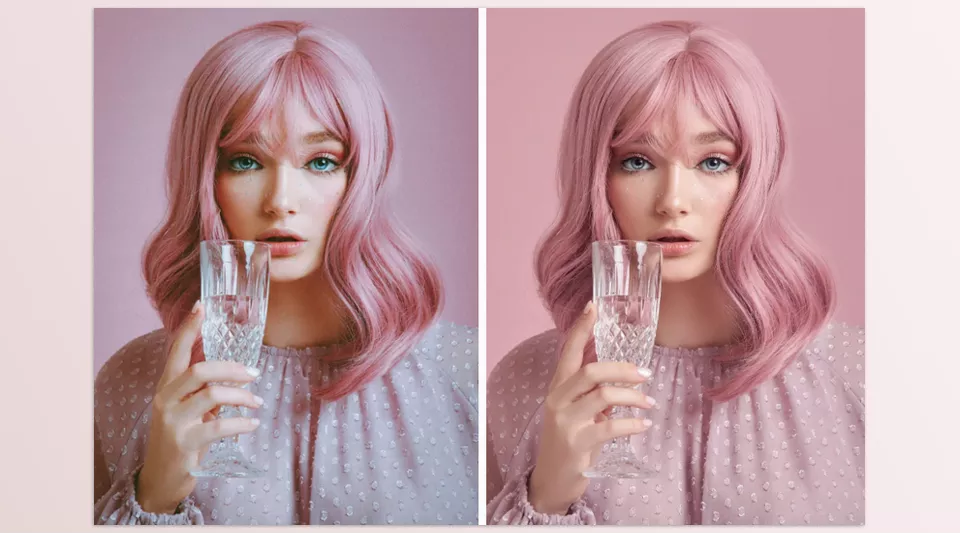
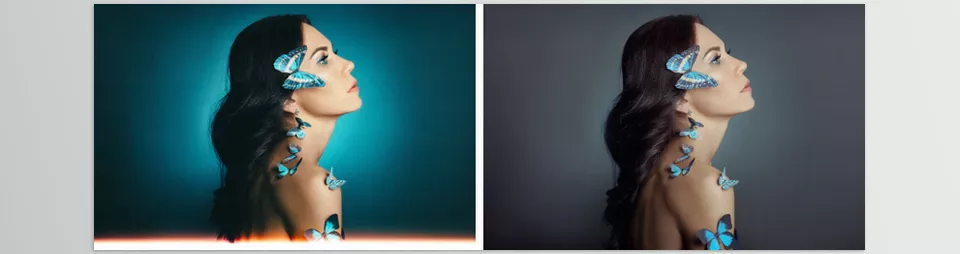
Disposable Camera Presets should not be viewed as just another ready-made color filter. What makes it different is that it not only changes the appearance of your photos but also helps create a nostalgic, film-inspired atmosphere much faster and more efficiently—without forcing you to build everything from scratch.
Let’s take a closer look at what’s included and what each part actually does.
🎨 1. Film Looks Presets
The first and most fundamental part of Disposable Camera Presets is its collection of presets—pre-configured color and lighting adjustments.
These presets are based on real film stocks, including Kodak and Fuji, as well as various vintage retro films. Each preset delivers a distinct mood rather than simply altering colors.
For example:
- Some presets warm up the colors and create a nostalgic summer vibe
- Others shift toward cooler tones to create a cinematic urban atmosphere
- Some soften contrast to mimic the appearance of old printed photographs
The important thing is that these presets do more than change colors—they transform the image’s entire mood. The result isn’t simply a “better-looking” photo; it’s a photo with a distinct style and personality.
🧠 2. AI Editing Features
This is where the package separates itself from ordinary presets.
Simply put, AI prevents the image from being treated as a single flat layer. Instead, it analyzes and segments different areas of the photograph.
In other words, it identifies:
- Which areas contain the subject (faces, bodies, people)
- Which areas belong to the background
- Which regions contain sensitive highlights or very bright light
Instead of applying the same adjustments across the entire image, the AI assigns different settings to different parts of the image.
For example:
- The overall image can become more filmic
- Skin tones remain relatively untouched to preserve a natural appearance
- The sky can become cooler and more cinematic without negatively affecting the subject
The result feels less like a generic filter and more like a carefully crafted manual edit—achieved in a fraction of the time.
✨ 3. Film Imperfections Effects
The final section focuses on what are commonly referred to as “film imperfections”—the characteristics that naturally occurred in older cameras and film stocks.
You’ll find a variety of ready-made effects that can be added to your images, such as:
- Light Leak → Colored light leaks appearing around the edges of the frame
- Film Burn → Burn effects and color shifts along image borders
- Dust & Grain → Film texture and realistic grain structure
- Glow Effects → Soft light halos around the subject
The key advantage is that these effects are already designed and fully adjustable. You can increase or decrease their intensity or combine multiple effects without having to build complex layer structures manually.
If we simplify it, Disposable Camera Presets performs three main functions:
- Presets establish the overall color foundation
- AI ensures that edits are applied intelligently to different areas of the image
- Effects complete the authentic and attractively imperfect film aesthetic
Together, these elements help transform an ordinary edited photo into an image with genuine mood and character.
🎯 How Can You Get Better Results from These Tools?
To achieve results that feel more natural, polished, and professional, it’s important to treat these tools as an intelligent starting point rather than a finished result. You still play the primary role in shaping the final image—the tools simply make the journey faster and more efficient.
- Treat presets as a starting point, not the final destination
Always choose a look first, then fine-tune it to suit the image’s mood. This leads to results that feel more personal and natural rather than repetitive. - Adjust effect intensity according to the lighting conditions
Every image has its own lighting and atmosphere. Soft, natural lighting usually works best with these presets. If the lighting is harsh or artificial, reducing effect intensity often produces more realistic results. - Photos captured in natural light deliver the best results
This style tends to work best on images with soft, natural lighting, such as daylight, gentle shadows, or ambient light. - Avoid overusing grain and light leaks
These effects can easily ruin an image if overused. It’s generally better to apply them subtly so they enhance the filmic feel without overwhelming the photograph. - Balance is more important than excessive effects
The appeal of this aesthetic lies in its “controlled imperfections.” The image should not feel overly polished, but it should never become messy or chaotic either.
Ultimately, when you maintain the right balance between presets, lighting, and effects, the result becomes more than just a standard edit—it becomes an image with lasting emotion and authenticity.
🎞 A Result That Goes Beyond Simple Editing
Disposable Camera Presets significantly reduce the time it takes to produce a photo with a nostalgic, film-inspired look. The presets allow people to avoid adjusting colors, lighting, and other editing features from start to finish to achieve the same look, since Disposable Camera Presets start the photo in the right direction to achieve the desired result.
Furthermore, these presets allow people to fully adjust the colors, editing effects, and the mood to be portrayed in the photo. Hence, these presets are suitable for a variety of photography styles, enabling you to achieve the desired look.
In simple terms, Disposable Camera Presets helps photos move beyond merely looking “edited and clean” and toward genuine feeling and atmosphere—images that resemble real moments rather than heavily processed files.
If you’re looking for a more specific editing approach that embraces raw, nostalgic, and cinematic aesthetics, it’s worth exploring how different film-inspired presets can shape the mood of an image. One example is the Dirty Boots and Messy Hair Presets Pack II, a collection designed to bring warmth, emotion, and an authentic memory-like feeling to digital photos.